Best Way to Shred Leaves Using a Wood Chipper Without Clogs
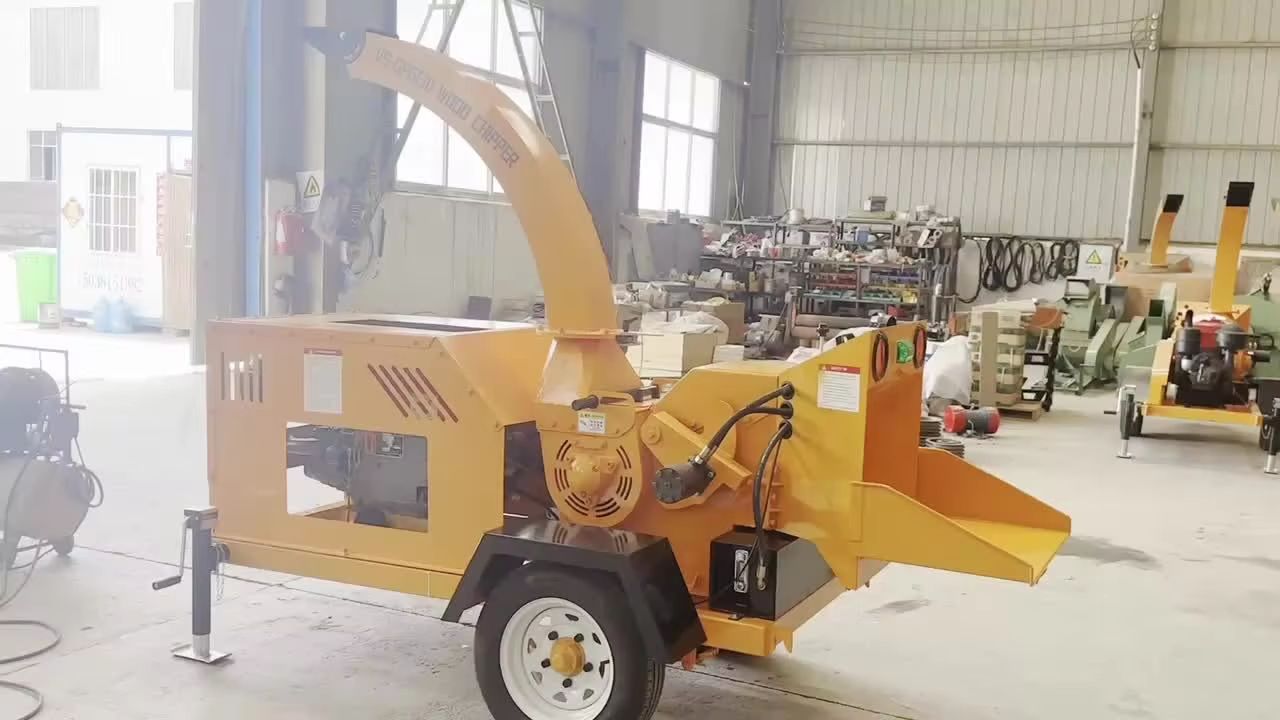
Wood chipper shredding of the leaves is the fastest way to get rid of the garden waste and make something useful out of it. Despite being straightforward to execute, it often clogs because leaves get stuck in the equipment. This slows down work, extends cleanup time, and increases stress on the equipment. The objective is not only to break leaves down quickly but also to maintain a steady flow so the chipper does not stop. Machines such as those from JYF Machinery can be used for yard work. Many machines used handle a steady input well, but even so, it is a matter of the material being prepared and fed correctly, for clog-free operation. For their products, you can view at jyfmachinery.com.
Start With Dry But Not Brittle Leaves
The moisture content influences the movement of leaves in a chipper. Leaves are likely to stick together and clump when they are very wet. Dry leaves are likely to split into light fragments that will clog the machine’s air passages. Some leaves are slightly dry, but still flexible - these feed more smoothly. This balance lessens the buildup at the inlet to the chipper.
Remove Sticks and Hard Waste First
Leaves littered with sticks, stones, or other thick debris can cause abrupt blockages. The hard pieces do not disintegrate like leaves and can cause a blockage within the machine. It is desirable to sort the material before sending it to the chipper to keep the process steady. It also minimizes the risk of unexpected jams that require stopping.
Feed Small Amounts at a Time
One of the most common causes of clogging is overloading the chipper. Excessive amounts of leaves added at one time will compress within the feed area. Smaller amounts enable an even material processing in the blades. This helps to maintain a smooth flow within the body and prevent an unwanted increase in pressure.
Keep a Steady Feeding Rhythm
Uneven feeding creates bursts of material followed by gaps. This uneven flow can cause leaves to gather in one section and block movement. A steady rhythm allows the machine to maintain consistent processing. Equipment systems like those from JYF Machinery are designed to handle continuous input, but stable feeding remains key to preventing clogs.
Avoid Wet Leaf Piles
Wet leaves tend to stick together in thick layers. When these layers enter the chipper, they do not separate easily. Instead of breaking down into small pieces, they form compact blocks. These blocks are the main cause of feed jams during leaf shredding.
Use Airflow Space Properly
Inside a chipper, airflow helps move shredded material away from the blades. If the space becomes blocked, leaves can bounce back and build up. Keeping the exit area clear ensures that processed material leaves the machine without delay. This helps maintain continuous operation.
Do Not Force Material In
Forcing leaves into the machine increases pressure at the feed point. This often leads to sudden blockage inside the cutting chamber. Letting the machine pull material in naturally is more effective. It reduces stress on both the blades and the feed system.
Clear the Output Area Regularly
Leaves may be processed properly, but they must also have some space to come out. If the output is blocked in any way, then the cut grass might find its way inside the unit itself. Checking and clearing the output path helps maintain flow and reduces the chance of internal clogging.
Watch for Early Signs of Blockage
Clogs do not happen instantly. They usually start with slower output, unusual sound changes, or uneven discharge of shredded material. A blockage can be avoided by stopping before it completely occurs and clearing the buildup.
Keep Blades in Good Condition
Blades that are not sharp will not shred properly. They rip the leaves apart rather than cut them, resulting in larger pieces that could cause more sticking. Sharp blades produce finer output that moves more easily through the machine. In field setups using systems from JYF Machinery, blade condition is often checked regularly to maintain steady performance.
Do Not Rush Large Piles
Despite the impression of simplicity in processing leaves, one should not rush to feed large amounts at once. The machine needs some time to process the material. Working in smaller sections gives better control and reduces interruptions.
Clean After Each Session
Leftover leaf material inside the machine can dry and harden. This buildup can create blockages during the next use. Cleaning after each session prevents old material from interfering with new processing cycles.
Conclusion
Feeding through without jams depends more on controlling shredding than on power. Preparing the material, maintaining even feed, and correcting machine operation are key to successful shredding. A good wood chipper handles high feed volumes well when managed properly. While machines from JYF Machinery facilitate continuous operations in yards and fields, avoiding jams still requires maintaining the feed.